 / reviews

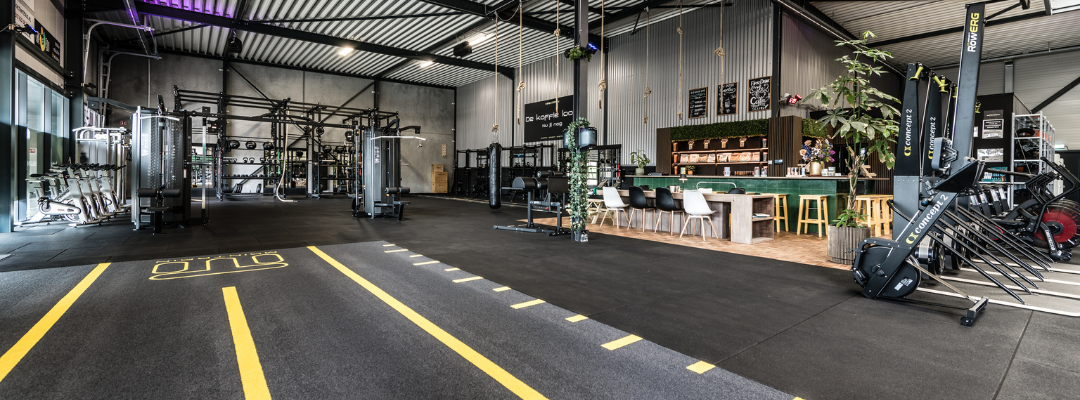
At first glance, setting up a gym might seem simple: order equipment, put it in place, and start training. In practice, it is much more complex. A gym is not just a room filled with equipment; it’s an ecosystem where safety, experience and functionality all come together. Whether you are opening a personal training studio, boutique gym, functional fitness box or corporate facility, these are some of the most common mistakes we see – and how to avoid them.
1) No clear target group or proposition
The mistake: Many entrepreneurs purchase equipment without a clear plan. They want “a bit of everything” and end up with a space that appeals to no one in particular.
Why this is a problem:
- A hotel gym investing in powerlifting plates? Probably overkill.
- A performance gym without platforms? A disaster for its users.
- A PT studio overloaded with cardio machines? A waste of valuable space.
How to avoid it:
- Map out your programming and training type distribution in advance (e.g. 50% strength, 20% functional, 20% conditioning, 10% mobility).
- Consider capacity: how many clients will train at the same time? Base your equipment choices and zone layout on this.
Pro tip: Use personas, just like in marketing. Picture your ideal client – a 45-year-old corporate professional, or a 25-year-old Hyrox athlete. What do they need?
2) Not seeking expert advice
The mistake: Ordering everything yourself without guidance, leading to poor choices in weight plates, inconsistent bounce, illogical layouts or simply too much equipment.
Why this is a problem:
- Storage located too far from training zones → clients hauling weights across the gym.
- Twenty kettlebells of the same weight → queues and frustration.
- Racks placed across walkways → chaos.
How to avoid it:
- Seek professional advice. Our specialists can create a 3D design to give you a clear picture of how your future gym will look.
- Follow layout and spacing guidelines (e.g. NSCA recommends 90–120 cm of clearance around free weights).
- Work with a consistent equipment range: one series of dumbbells, one type of plate → professional look, less wear, better organisation.
3) Poor layout and traffic flow
The mistake: Placing equipment wherever there’s space. The result? Deadlift bars crossing walkways, kettlebells stored in another zone, and trainers losing oversight.
Why this is a problem:
- Unsafe: clients carrying heavy weights through busy areas.
- Inefficient: wasted space means lower capacity and revenue.
- Poor member experience: cluttered gyms reduce retention.
How to avoid it:
- Create zones: strength (racks/benches), functional (open floor), cardio, mobility.
- Maintain clear sightlines so trainers can supervise effectively.
- Place storage close to use (plates near racks, wall balls near targets).
4) Cutting corners on flooring and acoustics
The mistake: Buying the cheapest floor (“it doesn’t matter, you hardly notice it”).
Why this is a problem:
- Safety: poor friction → slips and falls.
- Damage: thin rubber → cracked floors from bar drops.
- Noise: without acoustic control, neighbours, clients and hotel guests will complain.
How to avoid it:
- For weightlifting zones: platforms or extra-thick flooring.
- For urban gyms or hotels: hi-temp or acoustically damped flooring.
- Combine flooring with sound solutions (underlay, wall panels).
Research shows long-term exposure to noise above 80 dB reduces performance and wellbeing. A barbell drop can reach 90–100 dB.
5) Lack of variety in functional training equipment
The mistake: Only investing in dumbbells and barbells.
Why this is a problem:
- Functional training is mainstream, and members expect variety.
- Without kettlebells, wall balls, sleds or ropes, trainers are limited in programming.
How to avoid it:
- Build a basic functional training package with kettlebells (8–32 kg), wall balls (4–12 kg), a sled and track, plyo boxes, battle ropes and resistance bands.
- Match your equipment to your target group and available space: a Hyrox gym needs different tools than a boutique PT studio. Not sure what you need? We’re happy to advise.
6) Saving on installation costs
The mistake: “We’ll just assemble the rigs and racks ourselves.”
Why this is a problem:
- You lose valuable days at a critical phase (when you should be signing new members).
- Inexperienced installation may cause unsafe situations (loose anchors, drilling into underfloor heating).
How to avoid it:
- Have rigs and racks installed professionally.
- Check underfloor heating with scans or building plans.
- Do the maths: one week’s delay in opening = 30 members × £35 = £1,050 lost → more than installation costs.
7) Underestimating air quality, ventilation and maintenance
The mistake: A beautiful gym with stuffy air and overheated rooms.
Why this is a problem:
- Poor air quality reduces performance and wellbeing.
- Members drop out faster (lower retention).
How to avoid it:
- Follow ASHRAE 62.1 guidelines for ventilation in fitness facilities.
- Ensure climate control (air conditioning/heating) and humidity management.
- Create a maintenance plan: clean grips, floors and ventilation filters regularly.
Conclusion: how smart gym design drives long-term success
Setting up a gym is more than just putting equipment in place. It’s about aligning your target audience, equipment, layout, safety, atmosphere and sustainability.
The biggest pitfall? Thinking it’s “not that complicated”. In reality, the details like flooring, layout, installation and air quality make the difference between an average gym and a successful, future-proof facility. Avoid these mistakes and make decisions based on knowledge and expert advice. That way you’ll build a solid foundation for long-term profit, satisfied members and a strong reputation.
Still unsure about your setup? Our experts are here to help translate your vision and target audience into a gym design that meets all professional standards.
Feel free to contact us for more information, or visit our Gym design page to see how we work.
FAQ – Starting a Gym: everything you need to know
What does it take to start a gym?
Starting a gym involves much more than purchasing equipment. Key factors include:
- a clearly defined target audience and training concept
- a logical layout with safe circulation routes
- the right equipment selection per training zone
- suitable flooring, ventilation and acoustics
- professional installation and maintenance
The combination of these elements determines whether a gym is safe, efficient and sustainable in the long term.
When should you involve a professional gym design partner?
As early as possible. Involving a gym design specialist during the orientation phase helps to:
- avoid incorrect investments
- make optimal use of the available space
- plan for future growth and scalability
- prevent surprises during installation or opening
Many issues arise when gym design is considered only after equipment has already been ordered.
Who is gym design support suitable for?
Professional gym design is relevant for:
- personal training studios
- boutique gyms
- functional fitness boxes
- HYROX and performance gyms
- corporate gyms and hotel gyms
- serious home gyms
Both small spaces and large commercial facilities benefit from a well-thought-out design.
Is it possible to start a gym with a limited budget?
Yes, but a limited budget requires smart decisions. By focusing on:
- multifunctional equipment
- modular solutions
- phased investments
you avoid spending money on equipment that is rarely used or needs replacement later on.
How do I determine which equipment I need?
That depends on:
- your target audience
- your training programming
- the number of members training simultaneously
- the available square meters
A performance-focused gym requires different equipment than a PT studio or hotel gym. That’s why good advice always starts with programming, not products.
Is it a good idea to order everything myself?
Ordering independently may seem cost-effective, but often results in:
- illogical equipment combinations
- insufficient storage
- unsafe setups
- too much or too little of certain weights
Professional guidance helps ensure consistency, safety and efficiency.
What is the benefit of a 3D gym design?
A 3D design provides clarity before investments are made. It shows:
- how training zones relate to each other
- circulation routes and sightlines
- whether there is sufficient space per station
- how the gym will function in real use
This prevents costly adjustments later on.
Do I need to consider regulations or guidelines?
Yes. Important aspects include:
- minimum clearance around free weights
- proper anchoring of rigs and racks
- floor load capacity
- ventilation and air quality standards
Addressing these early helps prevent delays, extra costs or unsafe situations.
How important is flooring when designing a gym?
Flooring plays a crucial role in:
- safety and grip
- noise reduction
- protecting the building structure
- equipment durability
Choosing the wrong flooring often leads to damage, complaints or additional investments.
Can rigs and racks be installed in any space?
Not always. Factors such as:
- floor type
- underfloor heating
- ceiling height
- wall construction
determine which solutions are suitable. In some cases, freestanding constructions or special base plates are required.
How long does the process from design to opening take?
This varies per project, but on average:
- design phase: 1–3 weeks
- production and delivery: depending on configuration
- installation: 1–3 days
Proper planning helps avoid delays before opening.
Is professional installation really necessary?
Yes. Incorrect installation can lead to:
- unsafe situations
- damage to floors or the building
- loss of warranty
- delays during opening
Professional installation ensures safety, speed and peace of mind.
What makes Lifemaxx a suitable partner when starting a gym?
Lifemaxx combines:
- in-depth knowledge of training and real-world use
- a broad and coherent equipment range
- experience with both small studios and large commercial gyms
- advice, design, delivery and installation
This makes Lifemaxx more than a supplier — it makes us a partner in building a successful gym.
Can I get advice without obligation?
Yes. An initial consultation often helps clarify possibilities, challenges and next steps. It allows you to make informed decisions with confidence.
Summary
Starting a gym is not about filling a space with equipment, but about making the right decisions at the right time. Investing in design, advice and quality creates a solid foundation for safety, member satisfaction and long-term success.
Not sure if you’re making the right choices? Our specialists are happy to think along with you and translate your concept, target audience and space into a well-designed gym solution.