 / reviews

The fitness world is constantly evolving. Some hypes disappear as quickly as they appear, while other trends gradually grow into lasting pillars of the modern gym. 2025 was not a year of radical innovation, but rather a year of maturation: technology was used more intelligently, strength training reached a broader audience, and mental health became just as important to many members as physical results.
With that foundation in place, we look ahead to 2026. For the 20th time, the American College of Sports Medicine (ACSM) published its global fitness trends report. One thing is clear: wearables, programmes for older adults, weight management and functional fitness remain dominant, but the focus is shifting towards quality, personalisation and long-term wellbeing.
In this blog post:
- We briefly look back at what 2025 brought in practice.
- We highlight the key fitness trends for 2026.
- We explain how gym owners, studio owners and personal trainers can respond to these trends in a practical way.
Looking back at 2025: from hype to maturity
Technology as a tool, not the end goal
In 2025, technology became fully integrated into the gym environment. Wearables, apps and dashboards were no longer “nice to have”, but standard practice. The key difference compared to previous years? The best gyms used technology to enhance coaching, not to replace the trainer. Data became the starting point for conversations about recovery, load and progress, rather than endless graphs inside an app.
Strength training for everyone
Strength training remained popular, but the narrative shifted. Less focus on “max lifts and aesthetics”, more emphasis on health, mobility and independence. Seniors, rehabilitating athletes, HYROX and GYMRACE participants, pre- and postnatal women – all found their way to the squat rack. Racks, benches and barbells became the foundation, no longer reserved for the “hardcore lifter”.
Functional fitness & fitness races fully embedded
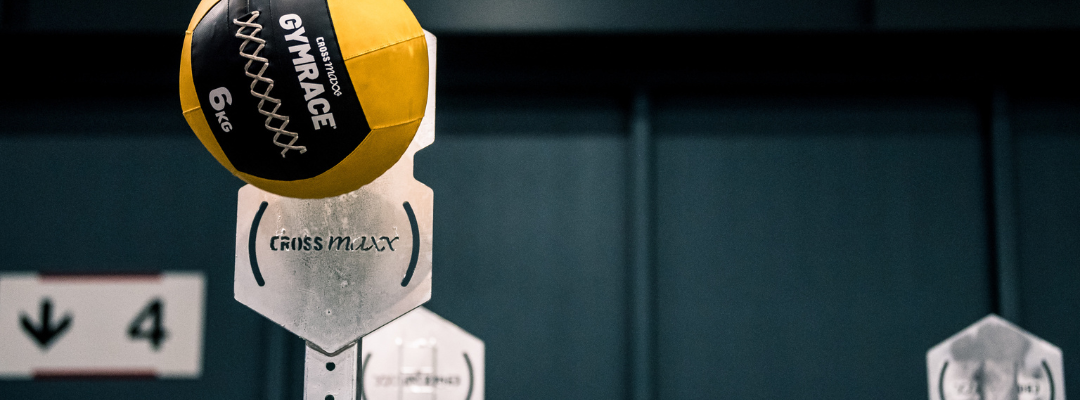
HYROX, GYMRACE and other fitness races moved from niche to mainstream in 2025. More and more gyms created dedicated zones with sleds, wall balls, sandbags and SkiErgs. Not just for competitive athletes, but also for recreational members who train with a goal and enjoy the “race experience” within their workouts.
Mental health as a key reason to exercise
Research had already shown it, but in 2025 gyms saw it clearly in practice: many members exercise primarily for their mental health. Stress reduction, better sleep and a quieter mind became some of the most important motivations to keep training consistently.
These four developments form the foundation for the fitness trends of 2026.
The most important fitness trends for 2026
1. Wearable technology remains number one – now truly integrated
Wearable technology once again tops the ACSM trend list. Smartwatches and trackers now measure far more than steps and heart rate; they track HRV, sleep quality, recovery, blood pressure and even temperature. The question is no longer ifmembers use wearables, but how you help them use this data intelligently.
What we see in 2026:
- Members want to understand when it’s better to ease off.
- Coaches use data to fine-tune training load and prevent injuries.
- Data is used less as a “high score” and more as a compass for sustainable progress.
How can you respond to this trend?
- Make wearables part of your intake: ask new members to bring data such as resting heart rate, average daily steps and sleep duration, and use this as a starting point for training advice.
- Develop “data coaching” as a service: offer short consultations explaining HRV, recovery and how to adjust training intensity.
- Use wearables in small group training: for example by working with heart rate zones during conditioning sessions, not to push everyone into the red, but to teach members what zones 2, 3 and 4 mean for them personally.
- Educate your team: make sure trainers understand which data is reliable and which is noise. A trainer who can explain what a wearable can – and cannot – do instantly gains credibility.
2. Fitness programmes for older adults (active ageing)
Ageing is no longer a future scenario, but a daily reality. Adults aged 60+ are one of the most loyal target groups in the fitness industry. ACSM once again lists “Fitness Programs for Older Adults” among the top trends, with a focus on staying functionally strong, fall prevention and maintaining independence.
What we see in 2026:
- Older members are not looking for “senior fitness”, but for training that helps them move more freely.
- Programmes labelled “active ageing”, “vital living” or “fit as you age” perform better than age-driven labels.
- Strength training, balance and mobility are combined within a single session.
How can you respond to this trend?
- Schedule dedicated “active ageing” sessions, for example in the morning hours when older members prefer to train.
- Create a safe, clear training zone with easy access, clear walking routes, stable benches, adjustable benches and light to moderate weights.
- Train your coaches specifically for this audience: think load management, osteoporosis, fall prevention and progressive overload for 60+.
- Add social elements to training: a coffee moment after class, monthly meet-ups or small challenges. Community is just as important as the exercises themselves.
3. Exercise for weight management: more than just weight loss
The trend formerly known as “Exercise for Weight Loss” has been renamed “Exercise for Weight Management”. What does that mean? In 2026, the focus shifts towards maintaining weight, healthy weight gain (for example muscle mass) and preventing the yo-yo effect. Combined with the rise of GLP-1 medication, one thing becomes clear: without movement and muscle retention, there is no sustainable solution.
How can you respond to this trend?
- Develop clear, time-bound programmes, such as 12-week trajectories that combine strength training, conditioning, sleep and behaviour – not just “burning calories”.
- Emphasise muscle retention and function: measure not only body weight, but also strength, mobility and fitness (for example with a simple testing battery).
- Collaborate with a nutrition professional: coaches or dietitians can guide members in nutrition and lifestyle, while you provide safe and effective training.
- Communicate realistically: avoid promises of “quick results” and focus instead on sustainable improvements in health, energy and resilience – including mental wellbeing.
4. Mobile exercise apps as an extension of the gym
Mobile fitness apps are now part of everyday life. In 2026, apps are increasingly used as an extension of the physical gym, not as a replacement. Members train partly in the club and partly at home or outdoors, but want one consistent approach.
How can you respond to this trend?
- Choose one platform and commit to it: use a single app for programming, progress tracking and possibly community features. Avoid spreading yourself across multiple tools.
- Ensure consistent branding and messaging: online and offline offerings should align, so members instantly recognise your gym within the app.
- Use apps for accountability: challenges, check-ins, “homework” (such as mobility routines) and reminders help keep members engaged between visits.
- Offer hybrid programmes: for example one PT session per week in the gym plus two online workouts via the app – ideal for busy professionals.
5. Balance, flow & core: the rise of Pilates, yoga and stability
The “Balance, Flow and Core Strength” trend aligns perfectly with the growth of Pilates, reformer Pilates, barre and gentler yoga formats. In 2026, it becomes even clearer that these sessions are not just “nice extras”, but essential for movement quality, injury prevention and long-term fitness.
How can you respond to this trend?
- Add dedicated core and control classes, such as reformer Pilates, mat Pilates, barre or targeted core sessions.
- Integrate core and balance into strength training: move beyond crunches to anti-rotation work, carries, controlled tempos and unilateral exercises.
- Create a calm, aesthetic space for flow-based training: mats, reformers, soft colours and good lighting – the environment contributes to the experience.
- Position these classes for athletes and lifters as well: make it clear that strong core control improves performance and reduces injury risk.
6. Exercise for mental health: training for the mind
More and more people cite mental health as their primary reason for exercising. The trend “Exercise for Mental Health” therefore rightly continues to rise. In a world where we are constantly connected, spend hours behind screens and rarely give our minds true rest, movement is increasingly used as a counterbalance to mental overload. Stress, sleep issues and burnout are becoming more common, which means exercise is less about exhaustion or aesthetics and more about finding balance.
Members seek training that helps them release tension, sleep better and build mental resilience. Movement becomes not just a physical stimulus, but also a moment of focus, release and recovery. Gyms and studios play a key role by creating environments where training also means stepping out of the head and back into the body.
How can you respond to this trend?
- Explicitly mention mental benefits in your communication: use terms like “a calmer mind”, “better sleep” and “stress relief” in class descriptions and on your website.
- Build intentional “recovery moments” into your schedule: think low-intensity Sunday sessions, mobility & breathwork, or dedicated recovery classes.
- Train coaches in soft skills: listening, recognising signals and putting things into perspective. Coaches don’t need to be therapists, but they do need to be safe and empathetic.
- Avoid purely appearance-driven messaging: for many members, feeling better mentally is just as important as physical results.
7. Traditional strength training: the constant factor
“Traditional Strength Training” remains firmly in the global top trends. Despite all new formats, strength training continues to be the foundation for muscle mass, bone density, metabolic health and functionality.
Key developments in 2026:
- Strength training is increasingly used for older adults, rehabilitation, prevention and lifestyle programmes.
- Group formats using barbells and dumbbells (such as strength classes) continue to grow.
- The focus shifts from appearance to capability: what can you do, what can you lift, how do you move?
How can you respond to this trend?
- Ensure sufficient, high-quality basic equipment: squat racks, benches, barbells, bumper plates and dumbbells form the foundation of your gym.
- Make strength training accessible: offer introductory sessions, technique workshops and small group “learn to lift” programmes.
- Use periodisation in programming: work in blocks (strength, power, volume) so members aren’t just training at random.
- Position strength training for multiple target groups: not only young enthusiasts, but also 50+, desk workers and team sport athletes.
8. Data-driven training and biofeedback
Beyond wearables, more data sources are emerging in 2026: HRV apps, sleep trackers, bar speed sensors and more. The biggest gains come not from collecting more data, but from managing load and recovery more effectively.
How can you respond to this trend?
- Work with simple, repeatable metrics: for example RPE (perceived exertion), vertical jump tests or basic mobility assessments alongside wearable data.
- Teach members to listen to both their body and their data: show that a low HRV day might mean shorter sessions, lighter loads or more technique focus.
- Use data as a conversation tool, not a scoreboard: the question is not “How high is your HRV?”, but “What does this tell us about what’s sensible today?”
- Preserve the human factor: data supports the process, but coaching, observation and experience remain leading.
9. Adult recreation & sport clubs: moving for the joy of it
New to the top 10 is “Adult Recreation and Sport Clubs”: pickleball, padel, running groups, bootcamps and recreational leagues. The common thread is clear: people are looking for movement, enjoyment and connection, not just training.
How can you respond to this trend?
- Organise your own recreational formats: weekly running clubs, HYROX/GYMRACE practice sessions, outdoor bootcamps or internal “fun leagues”.
- Use your gym as a hub: start and finish running groups at the gym, do the warm-up inside and train outdoors afterwards.
- Emphasise fun and community in your communication: not just “hard work”, but training together, laughing and accessible participation.
- Collaborate with local clubs: for example hockey clubs, padel centres or cross-training teams for whom you provide strength and prevention training.
10. Functional fitness: from niche to standard
Functional fitness – from classic functional training to fitness races like HYROX and GYMRACE – is now firmly part of the standard gym offering. Trend #10, “Functional Fitness Training”, fits seamlessly into this development.
What we see in 2026:
- More gyms creating dedicated zones with sleds, wall balls, sandbags, yokes, farmer’s handles and rigs.
- Programmes ranging from entry-level functional sessions to competition preparation.
- Members using functional training to improve performance in work, sport and everyday life.
How can you respond to this trend?
- Create a clearly defined functional fitness zone with space for sled pushes/pulls, carries, jumps, lunges and full-body movements.
- Offer different levels: from “Functional Basics” to “Race Prep” for members participating in HYROX, GYMRACE or similar events.
- Use functional equipment broadly: sandbags, slam balls, sleds and kettlebells are not only for athletes, but also ideal for small group training and PT.
- Make the link to health and daily function: lifting, carrying, pushing and pulling – members recognise these movements from everyday life.
Conclusion: 2026 is about sustainable impact
The fitness trends for 2026 point clearly in one direction:
- Technology remains important, but only when it supports coaching and behaviour.
- Strength training, functional fitness and balance/core training form the physical foundation.
- Mental health, enjoyment and community become just as important as performance.
- Target groups such as older adults and recreational athletes gain a fully-fledged place in the gym.
For gyms, studios and personal trainers, this means not chasing the next hype, but deepening your offering around these pillars, with quality coaching, well-thought-out equipment and a clear long-term vision on health.
Do you want to prepare your gym or studio for 2026 in terms of concept, layout or equipment? We’re happy to think along with you about:
- The right mix of strength, functional and flow zones
- Modular equipment that grows with your business
- A layout that supports your vision of training
Get in touch for more information, or visit the Build with Lifemaxx page to see examples of the possibilities we offer.